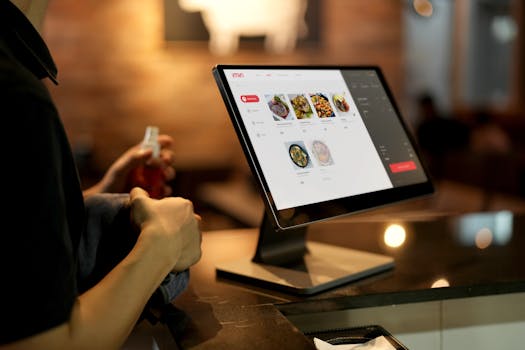

Many diners approach a restaurant menu with a straightforward expectation: a progression from lighter fare to richer, more substantial dishes, culminating in dessert. While this linear understanding isn’t entirely wrong, it profoundly undersells the intricate choreography and psychological engineering that defines the menu courses. This isn’t merely about digestion; it’s a carefully curated narrative, a journey designed to stimulate the senses, evoke emotion, and ultimately, enhance the perceived value and enjoyment of the entire dining experience. To truly appreciate what happens between the appetizer and the final flourish, one must delve into the strategic intent behind each segment.
The Overture: Setting the Stage with Appetizers and Amuse-Bouche
The initial stages of a meal are critical for setting the tone. The amuse-bouche, a tiny, often complimentary bite, serves as a polite handshake from the chef. It’s a whisper of intent, a promise of the culinary adventure to come, and a palate cleanser, preparing the diner for what lies ahead. Appetizers, or starters, are the more robust opening act. Their purpose extends beyond mere sustenance; they are designed to pique curiosity and whet the appetite, not to satiate it. A well-chosen appetizer should be vibrant, perhaps a touch acidic or texturally interesting, offering a contrast to what the diner anticipates for the main course. Think of dishes that are light yet flavorful, stimulating without being overwhelming. This is where the restaurant begins to communicate its identity, showcasing its commitment to quality ingredients and skillful preparation right from the outset.
The Crescendo: The Central Narrative of the Main Course
This is, without question, the star of the show. The main course, or entrée in American parlance, is where the chef’s technical prowess and creative vision are most on display. It’s the narrative’s climax, the point around which the entire meal’s structure is built. However, the concept of the “main” is itself a flexible one. Is it solely about the protein? Or is it the entire plate, where vegetables, starches, and sauces play equally vital roles in creating a cohesive and impactful whole?
In my experience, the most successful main courses are those that achieve a remarkable balance. They offer a satisfying density and complexity of flavor, yet avoid being so heavy that they preclude further enjoyment of the meal. Consider the classic pairings: a perfectly seared steak with a robust reduction, or delicate pan-sewn scallops with a subtle citrus beurre blanc. These aren’t just about the primary ingredient; they are about the synergy between all components. The accompanying vegetables should offer textural contrast and freshness, while the starch provides a grounding element. The sauce, often the unsung hero, ties everything together, offering depth and amplifying the inherent flavors of the dish.
The Intermezzo: Palate Cleansers and Their Purpose
While not always explicitly listed on every menu, the palate cleanser holds a significant, often underappreciated, role in the formal dining experience. Typically served between courses, especially after a rich or intensely flavored dish, these small intermissions are crucial. They’re not just a brief pause; they are a deliberate reset button for the taste buds.
Sorbet or Granita: A classic choice, offering a burst of sharp, often citrusy or berry-like flavor to cut through lingering richness.
Light Broth: A clear, delicate consommé can refresh the palate without adding significant weight or flavor.
Infused Water: Subtle infusions of mint or cucumber can provide a gentle, clean sensation.
The strategic deployment of these small, refreshing intermezzos is a hallmark of refined service. They ensure that each subsequent course is experienced with the same clarity and intensity as the first, preventing flavor fatigue and allowing the diner to appreciate the nuances of each dish.
The Denouement: The Sweet Surrender of Dessert and Digestifs
The final act of the menu courses is, of course, dessert. But to view it simply as a sweet conclusion is to miss its sophisticated role. Dessert is the satisfying resolution, the lingering note that leaves a lasting impression. It’s a chance for the kitchen to offer a final flourish, whether it be a decadent chocolate creation, a light and fruity tart, or an innovative deconstructed masterpiece.
Beyond the dessert itself, the inclusion of digestifs—liqueurs, brandies, or even a final cup of coffee or tea—is the ultimate punctuation mark. These are not merely beverages; they are curated elements designed to aid digestion and prolong the convivial atmosphere. A well-chosen digestif can complement the dessert or offer a counterpoint, providing a warm, comforting finish to the entire culinary narrative. This final stage is about comfort, satisfaction, and a gentle transition back to the outside world, carrying the pleasant memories of the meal.
The Strategic Layering: Why the Order of the Menu Courses Matters
Understanding the underlying strategic intent behind the menu courses elevates the dining experience from mere consumption to appreciation. It’s about pacing, sensory engagement, and managing expectations. Chefs and restaurateurs meticulously design this sequence to guide diners through a spectrum of flavors, textures, and sensations.
Sensory Acclimation: Starting light allows the palate to become gradually accustomed to richer flavors.
Anticipation Building: Each course builds upon the last, creating a sense of unfolding discovery.
Psychological Impact: The perceived value of the meal is often tied to the completeness of the experience, from amuse-bouche to digestif.
When you next encounter a multi-course menu, pause to consider the deliberate design. Ask yourself: what is this dish meant to achieve in the context of the meal? What is the chef trying to communicate with this particular order? This analytical approach unlocks a deeper understanding and a richer appreciation for the artistry involved in crafting a truly memorable dining journey.
Wrapping Up: The Menu Courses as a Masterpiece in Motion
Ultimately, the menu courses represent far more than a list of dishes. They are the carefully orchestrated chapters of a culinary story, each with its distinct purpose and contribution to the overarching narrative. From the subtle intrigue of an amuse-bouche to the satisfying conclusion of a digestif, every element is designed to engage, delight, and leave a lasting impression. To view the menu not as a passive order form but as an active blueprint for sensory exploration is to truly unlock the genius of the modern dining experience. Embrace this structured journey, and your next meal will undoubtedly unfold with a newfound depth of appreciation.