
Ever felt that pang of indecision when choosing between a plush, traditional sofa and a minimalist, contemporary armchair? Perhaps you admire the clean lines of modern architecture but crave the warmth and comfort of more classic furnishings. If this resonates, you’re likely already flirting with the captivating world of transitional home design. It’s not about picking a side; it’s about skillfully weaving together the best of both realms. But what exactly is this elusive aesthetic, and how can one achieve that perfect, harmonious balance? Let’s delve into the nuances.
Unpacking the “Transitional” in Transitional Home Design
At its heart, transitional home design is a masterful blend. It’s a design philosophy that gracefully bridges the gap between two seemingly disparate styles: traditional and contemporary. Think of it as the sophisticated individual who appreciates a well-tailored suit just as much as a perfectly fitted, casual ensemble. It’s not about stark contrasts but about a thoughtful integration of elements that create a cohesive, inviting, and enduring space.
What makes it so appealing? It offers a sense of familiarity and comfort often associated with traditional styles, while simultaneously embracing the freshness, simplicity, and uncluttered feel of contemporary design. This dual appeal makes it incredibly versatile and a popular choice for those who want a home that feels both current and timeless. It avoids the ornate details that can sometimes feel dated and the starkness that might feel too cold, striking a beautiful middle ground.
The Palette of Balance: Color and Material Choices
The color palette in transitional design is often understated and sophisticated. Neutrals form the bedrock – think soft grays, warm beiges, creamy whites, and muted blues. These provide a serene canvas upon which other elements can shine. However, don’t mistake “neutral” for “boring.” The depth comes from layering these foundational colors and introducing subtle pops of color through accent pieces.
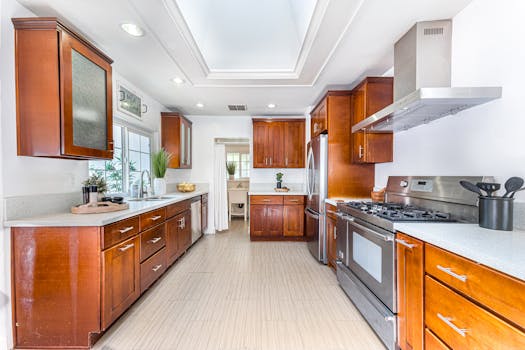
Materials play a crucial role in this balancing act. You might see the richness of dark wood furniture softened by the texture of a natural fiber rug, or the cool elegance of marble countertops complemented by plush velvet upholstery. The key is to marry textures and finishes that feel both luxurious and approachable.
Wood Tones: A mix of darker, richer woods with lighter, natural finishes.
Fabrics: Combining luxurious materials like silk and velvet with more casual textures such as linen and cotton.
* Metals: Brushed nickel, polished chrome, or even hints of brass can add a touch of modern gleam or classic warmth.
Form Follows Feeling: Furniture Selection Nuances
When selecting furniture for a transitional space, the goal is to find pieces that possess clean lines without being aggressively minimalist, and detail without being overly ornate. A sofa might have a gently curved silhouette with simple, elegant legs, avoiding overly fussy carvings or skirted bases. A dining table could feature a solid wood top with a sleek, metal base.
Consider the scale and proportion. Transitional design favors pieces that are comfortable and inviting, rather than oversized or overly delicate. It’s about creating a sense of functional elegance. You’re looking for pieces that offer a sense of substance and quality, designed for everyday living but with an inherent grace.
Anchoring the Space: Lighting and Accessories
Lighting is a powerful tool in transitional design. It’s about creating layers of light that cater to different moods and functions. A statement chandelier with a modern yet classic design can serve as a focal point, while recessed lighting provides ambient illumination. Table lamps and floor lamps, often featuring ceramic bases or simple metal frames with fabric shades, add warmth and task lighting.
Accessories are where personality truly comes to life, but in a transitional setting, restraint is key. Instead of clutter, think curated. A beautifully framed piece of abstract art can hang above a traditional sideboard. A collection of contemporary vases can adorn a mantelpiece. The aim is to select items that are meaningful and visually interesting without overwhelming the space. It’s about adding character, not chaos.
Embracing the “Comfort-Modern” Vibe
Ultimately, transitional home design is about creating a sanctuary that feels both current and deeply comfortable. It’s a style that adapts to your life, rather than forcing you to adapt to it. It’s for the homeowner who appreciates the enduring appeal of classic craftsmanship but also desires the simplicity and functionality of modern living.
One thing to keep in mind is that true transitional design isn’t about simply placing a modern lamp on a traditional table. It’s about a more profound integration where the elements complement and enhance each other. It’s the thoughtful pairing of a sleek, comfortable sofa with a subtly patterned rug and curated artwork that brings a sense of lived-in sophistication. In my experience, the most successful transitional spaces feel effortless, as if they’ve evolved organically over time, yet possess a clear, intentional design direction.
Navigating the “Gray Areas” of Style
Perhaps the most intriguing aspect of transitional home design is its inherent flexibility. It allows for personal expression within a structured framework. It’s a style that encourages us to question rigid definitions and explore the beautiful “gray areas” where different aesthetics can coexist harmoniously. It’s not about subscribing to a single trend, but about building a foundation of style that can evolve with you. The beauty lies in its ability to feel both grounded and forward-looking, a perfect reflection of a life lived in the present with an eye towards the future.
Final Thoughts: The Enduring Allure of the Balanced Home
Transitional home design isn’t just a trend; it’s a thoughtful approach to creating interiors that are both aesthetically pleasing and eminently livable. By mastering the interplay of classic comfort and contemporary style, homeowners can craft spaces that feel sophisticated, inviting, and uniquely their own. It’s a testament to the idea that the most enduring designs are often those that embrace complexity and find beauty in balance, offering a serene and stylish haven for years to come.